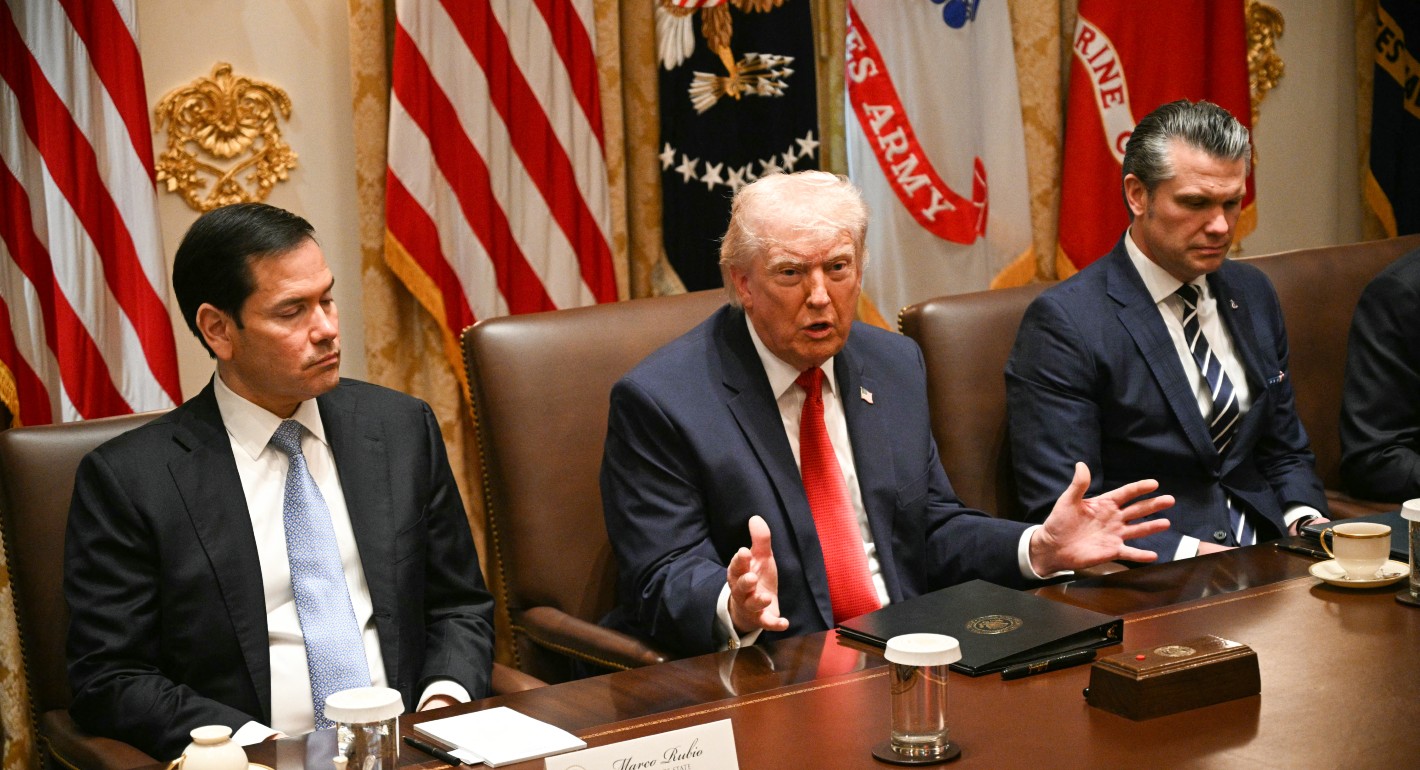
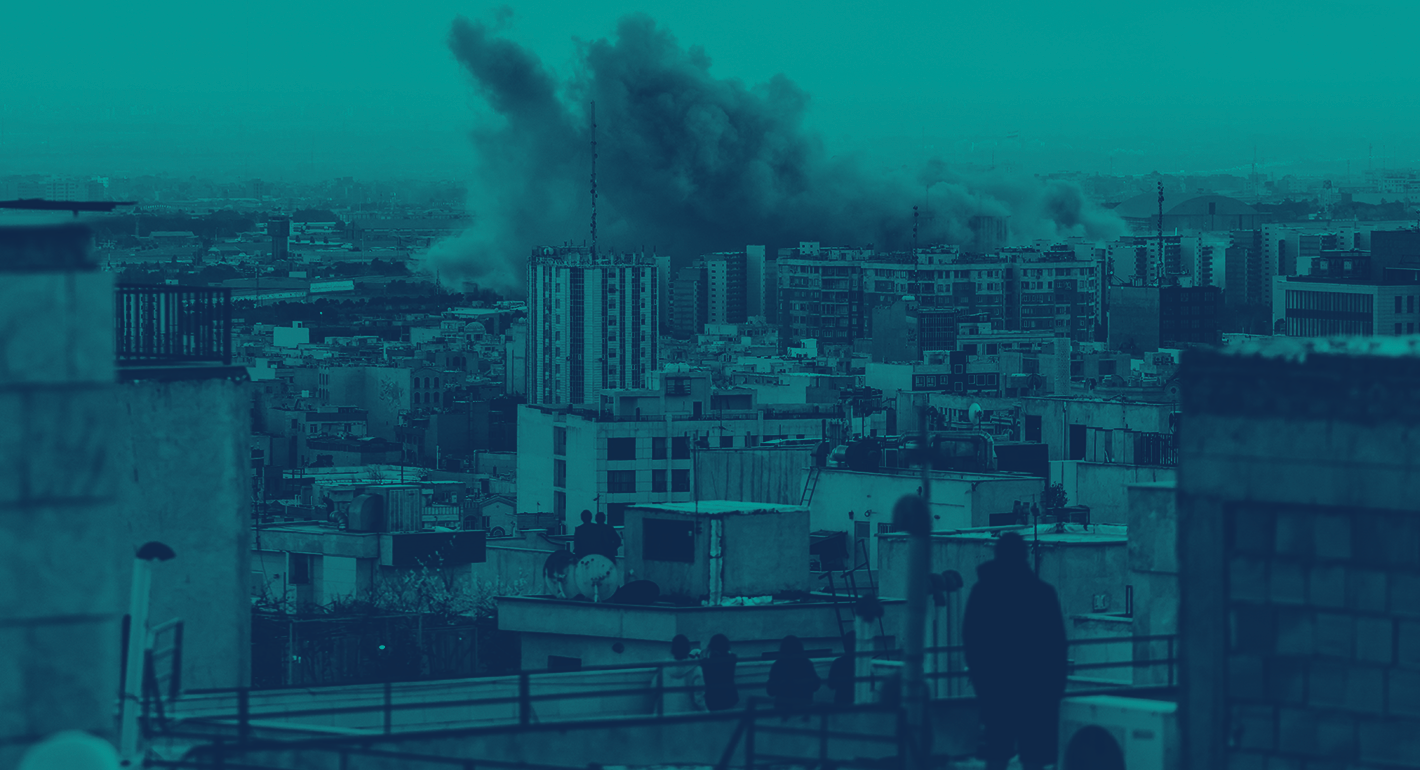
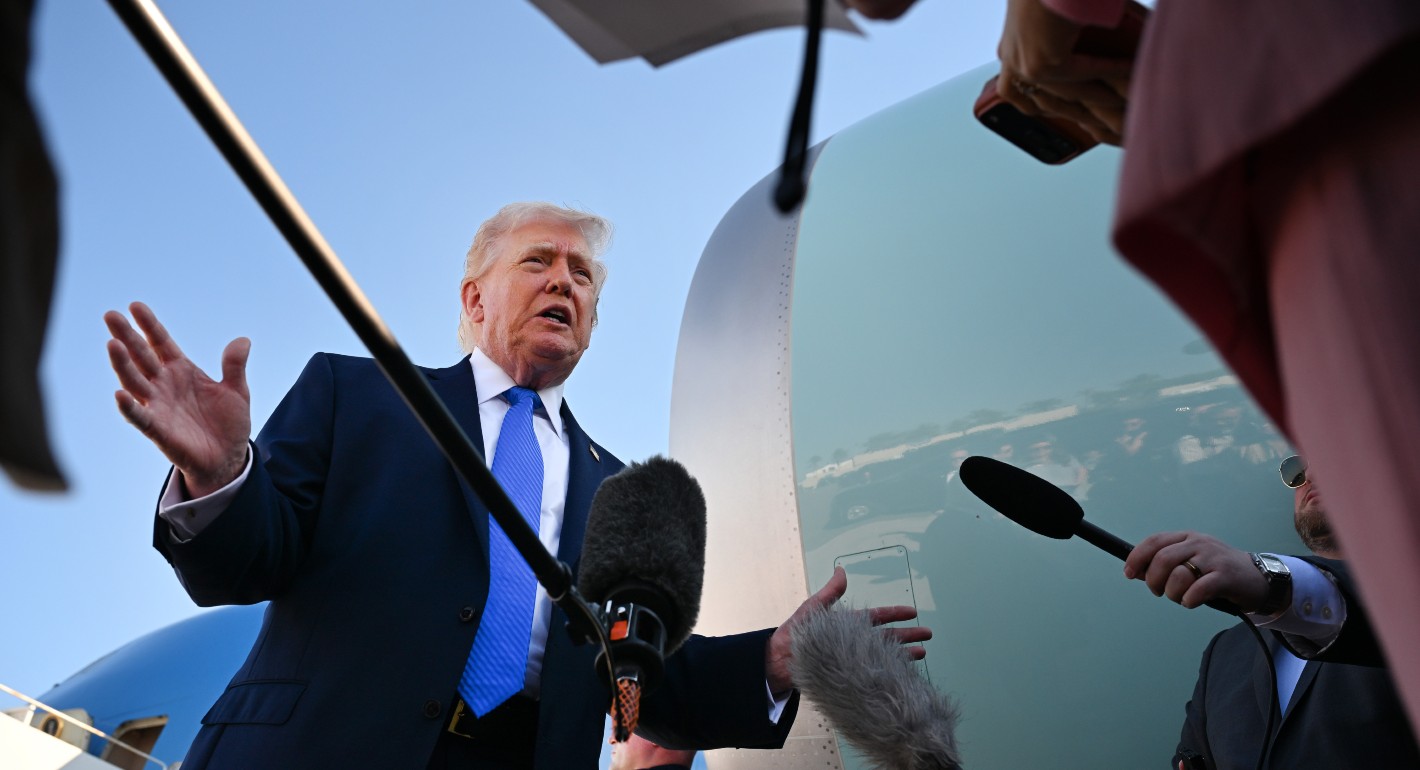
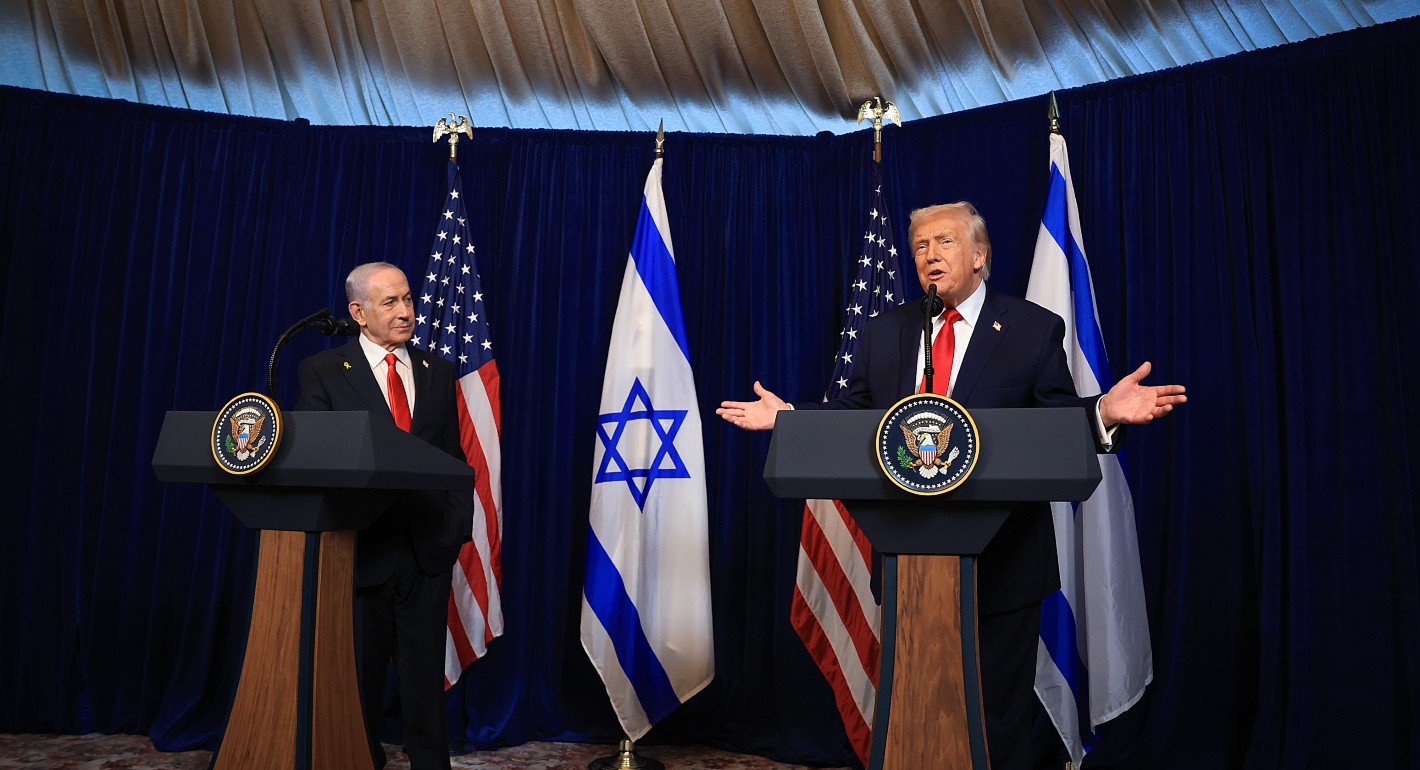
In February, President Donald Trump cited “imminent threats” as the motivation to launch a war with Iran. But nearly a month into the conflict, the United States is increasingly harming its own interests rather than making America safer. Rather than creating a world more friendly to U.S. interests, the war is disrupting U.S. alliances, empowering a regime more hostile to the United States than the one Trump sought to remove, and unleashing anti-Americanism.
As Trump now tries to find a way to exit the war, Iran is skeptical of his intentions and motives, deepening the divide. All of this adds to a lack of trust in Washington that jeopardizes American stability, both in the short and the long term.
Strained Partnerships and Alliances
First and foremost, the war has damaged U.S. relationships with allies and partners. In the Middle East, Gulf states that did not initiate the strikes have suffered attacks on their own soil and damage to important infrastructure, including water desalination plants and energy facilities.
Although the Gulf states stand to benefit from a weakened Iran, the price these countries’ citizens and economies are paying while the United States is left more or less unscathed has frustrated Gulf leadership. Although Americans are feeling the costs of the war at the gas pump, the impact has been minimal so far. In the Gulf, though, an Iranian drone damaged Bahrain’s desalination plant, impacting the water supply in thirty villages. Further hits on plants in Kuwait and the UAE threatened the supply of drinking water there. Iranian strikes also damaged the largest liquefied natural gas (LNG) production facility in the world—Qatar’s Ras Laffan—as well as oil and gas facilities in Kuwait, Saudi Arabia, and the UAE. Bahrain, Kuwait, Oman, Saudia Arabia, and the UAE have all suffered more human casualties than the United States as a result of the war. And the Israeli dimension does not help: No Gulf leader wants to be seen supporting Israel’s agenda in the wake of the immensely unpopular Gaza war.
At the same time, the war has highlighted Gulf security dependence on the United States. The second Trump administration has explicitly sought to deprioritize the Middle East. Its 2025 National Security Strategy argued that “America’s historic reason for focusing on the Middle East will recede” and referred to the region as “a place of partnership, friendship, and investment,” rejecting the idea of “fruitless ‘nation-building’ wars.” The war with Iran runs counter to the administration’s stated goals in nearly every way. Furthermore, Gulf leadership had been working to develop an effective regional security mechanism that would make it less reliant on U.S. security partnerships. This war has instead reinforced a vicious and expensive dependency cycle both sides would prefer to exit—but is likely to continue for the foreseeable future.
In addition, the already tense U.S.-Europe relationship is being further strained by the Iran war. Trump failed to consult Europe prior to the first strikes, taking the continent by surprise. An attack on Cyprus and rising energy prices have forced Europe to partially join the war: The UK authorized use of its bases by U.S. military, a coalition of European nations has committed to diplomacy to keep the Strait of Hormuz open, and France and Germany have prepared a defensive posture (albeit reluctantly). But Europe, which is not eager to enter what it sees as a war of choice, has refrained from proactively joining U.S. and Israeli strikes and some European leaders have questioned the legality of Trump’s actions. One of the clearest examples of the transatlantic rift was over the initial reaction to closures in the Strait of Hormuz, the shipping channel for approximately 20 percent of the world’s seaborne oil and LNG traffic. Multiple European countries refused to cow to Trump’s demand that they send warships to help keep the strait open, inviting public ire from Trump, who called his NATO allies who did not comply with his demands “COWARDS” on Truth Social.
Khamenei 2.0
Second, the United States has a very poor track record when it comes to intervention in the Middle East: Time after time, removing a leader or otherwise meddling in domestic politics has set in motion widespread ripple effects, often to the detriment of U.S. national security. The United States is making a similar mistake in Iran today, forcing regime change without considering all possible outcomes.
Take George W. Bush administration’s Freedom Agenda, a response to the 9/11 attacks that sought to introduce democracy to the Middle East to counter the region’s hostile autocrats. But rather than usher in an era of liberal democracy, the Freedom Agenda was ineffective at best and directly damaging to U.S. interests at worse. Most infamously, the Bush administration pushed for elections in Palestine that brought Hamas, a U.S.-designated terrorist organization, to power. And just as Hamas was worse for U.S. interests than Fatah, Mojtaba Khamenei will likely prove worse than his father.
Another example was the 2003 Iraq war, which the United States and its “coalition of the willing” initiated to remove Iraqi President Saddam Hussein from power and stop the country’s alleged weapons of mass destruction program. Although Hussein was captured and eventually executed, Iraq did not blossom into a liberal democracy. Instead, the U.S.-led invasion created a multiyear security and governance vacuum that contributed to the deaths of hundreds of thousands of Iraqi civilians and 4,500 U.S. soldiers, and eventually saw the rise of ISIS.
The parallels between the invasion of Iraq and Operation Epic Fury are increasingly clear: both could be described as ill-conceived military campaigns justified by faulty intelligence and with unclear aims. Indeed, rather than build on and support the growing Iranian public frustration with their government, the United States and Israel have instead poured fuel on the fire of the dictatorship. The strike that took down Iranian Supreme Leader Ali Khamenei did not usher in freedom and democracy, as Trump had hoped, but rather passed the torch to his son, who is even closer to the hardline Revolutionary Guard than his father. Trump’s fickle nature and lack of trustworthiness in the eyes of Iran have made it more difficult for him to negotiate an end to the war. As Trump himself acknowledged, U.S. and Israeli strikes have killed most of the Iranian leadership, making a negotiated exit to the conflict even more challenging. And intelligence has made clear that if Iranians take to the streets, they will likely be met with violence. The Iranian regime has already killed thousands of anti-government protesters this year, demonstrating both the high level of repression it is willing to inflict on its own people and its resiliency. All this likely adds to long-term damage on U.S. credibility and trust.
Losing Hearts and Minds
Finally, the war is turning the Middle East public opinion against the United States. In Iran, continued U.S.-Israeli strikes resulting in civilian casualties are decimating the little credibility the Trump administration had built following the twelve-day war. While few Middle Eastern states, with the exception of Algeria and Libya, have outwardly condemned the U.S.-Israeli strikes, they have also refrained from publicly supporting the war. The countries directly impacted have condemned attacks on their own territories or those of their neighbors, as well as expressed frustration at being dragged in to a conflict they did not start.
The loss of Arab hearts and minds is detrimental to the United States, which depends heavily on cooperation with Arab partners for intelligence-sharing, energy security, cooperative security arrangements, and military basing rights. The latter in particular is key: The war is being carried out largely with U.S. troops based in the Middle East, making host countries targets of Iran. And without friendly basing agreements, the United States would be far less well-position to defend itself and its friends and allies in the region.
U.S.-Israeli actions are not just creating a backlash in Iran; they are driving anti-Trump action at home. Polling from March 13–15 found that 58 percent of Americans disapprove of U.S. military strikes against Iran with just 38 percent of people approving of the strikes. A Fox News poll found that more than half of Americans believe Trump’s “handling of relations with Iran” has made the United States less safe.
The U.S. war with Iran is straining U.S. alliances, creating anger among publics at home and abroad, inflicting pain on U.S. partners in the Gulf and emboldening an Iranian leadership hostile to the United States. Each day the war continues, without explicit goals or a clear exit strategy, opposition to the United States—from friends and foes, inside and outside—is also likely to grow, making America less safe and less secure. A war launched in the name of American security is, in fact, producing the opposite effect.